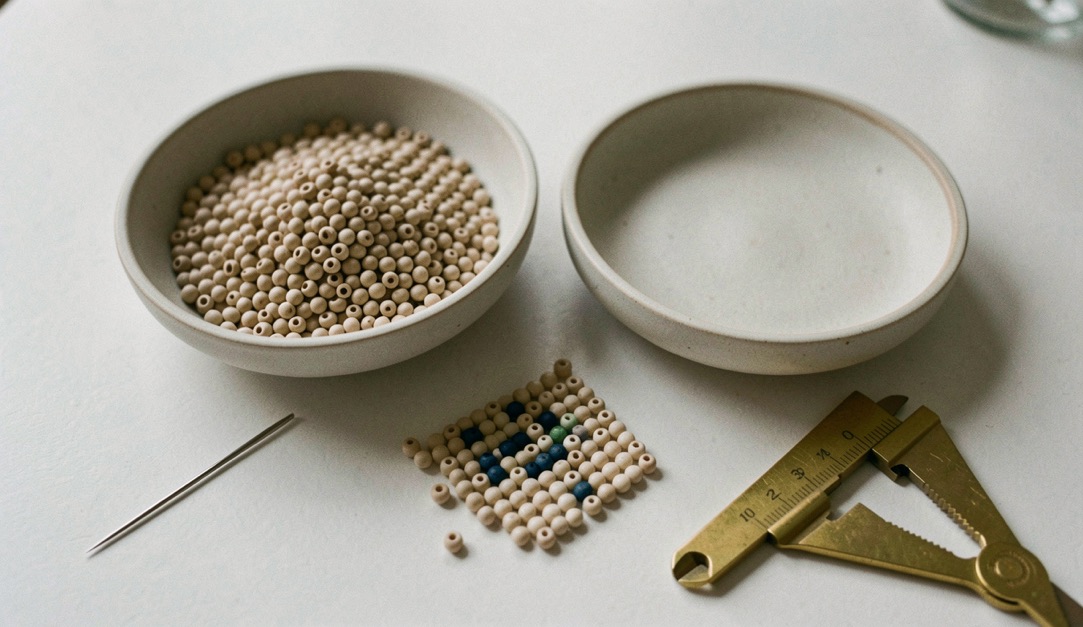
Start with the exact record, then keep each maker, unit, source date, and caveat in its own row instead of blending a nominal label into a universal conversion.
Read this when you need the label and the project consequence together.
Start with the exact record, then read a listing as a material record with type, treatment, size, hole, quantity, finish, and the missing field made clear.
Read this when you need the label and the project consequence together.
Read the record beside the result
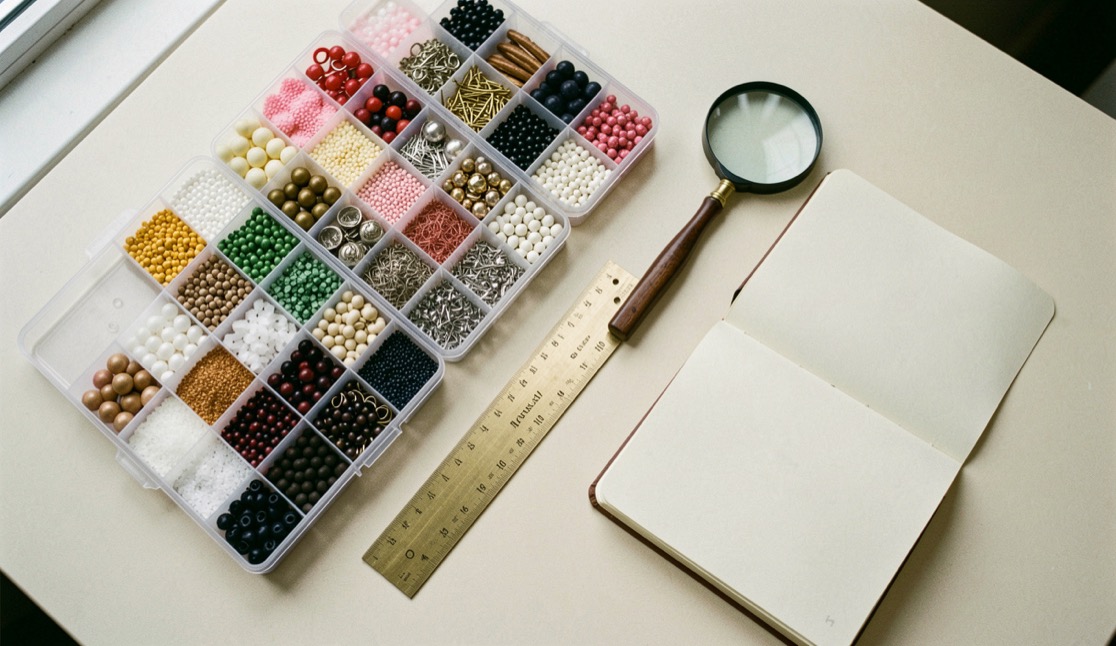
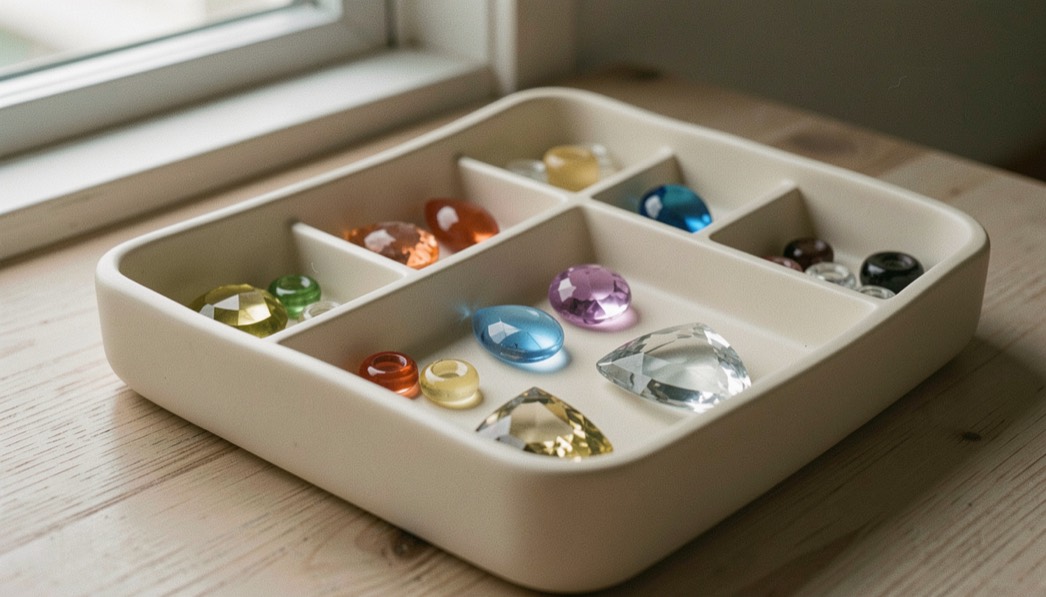
A useful guide to types of beads starts by asking what the label, shape, material, or tool changes in the project. The bench keeps sort by material, shape, manufacture, hole, finish, and likely project use before comparing color names. This turns a broad subject into a choice that can be checked with the materials in hand. Use a short sample to see the consequence before committing to a long repeat. Record the source, product family, date, and observed result separately so a personal test does not become a universal promise.