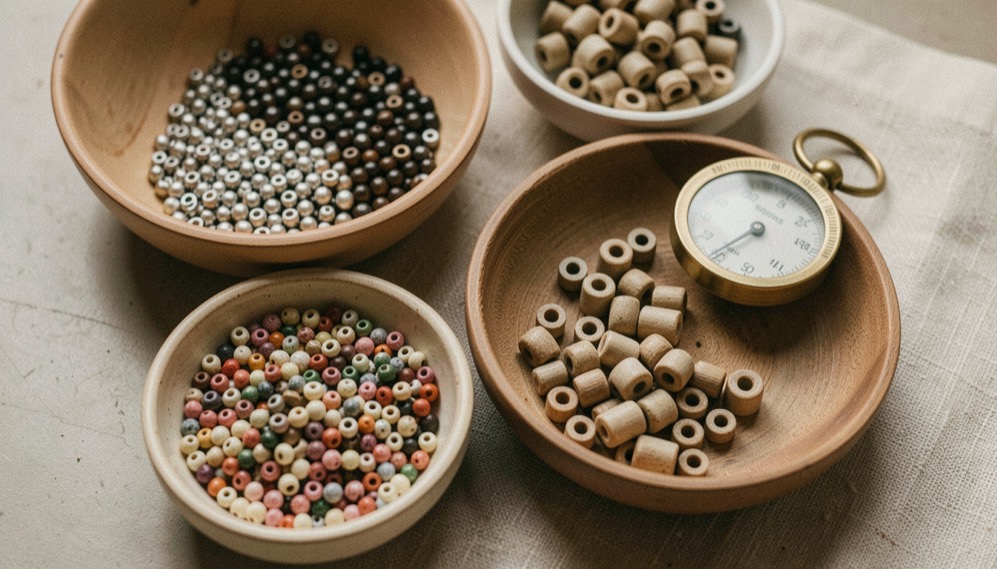
Decision route
Choose & Compare
Find the material, dimension, finish, and source that match the project.
Explore Choose & Compare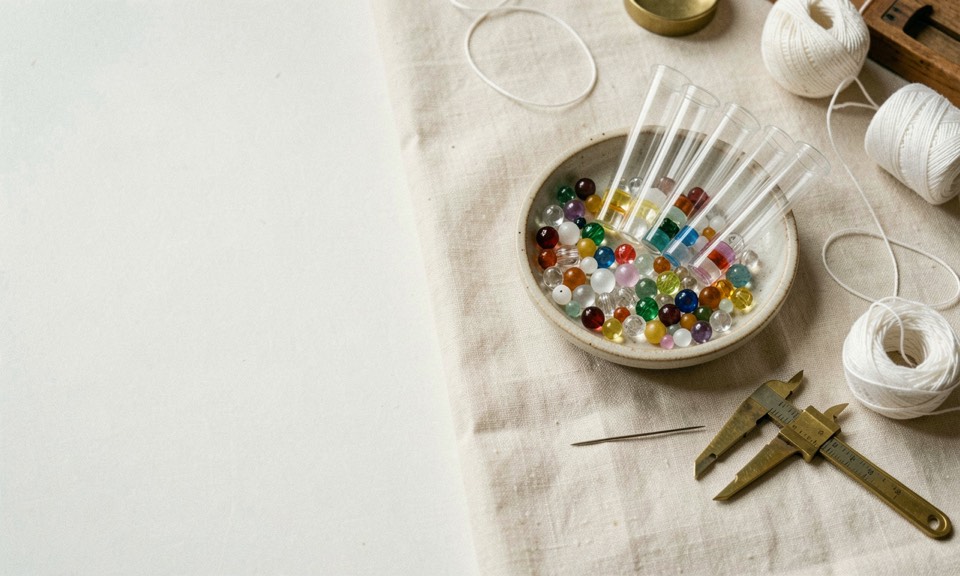
A material reference for beadworkers
Source-dated comparisons and project-first guidance for seed beads, findings, stringing, and care.
Start with a decision
The first answer is usually a better source record.
Decision route
Find the material, dimension, finish, and source that match the project.
Explore Choose & Compare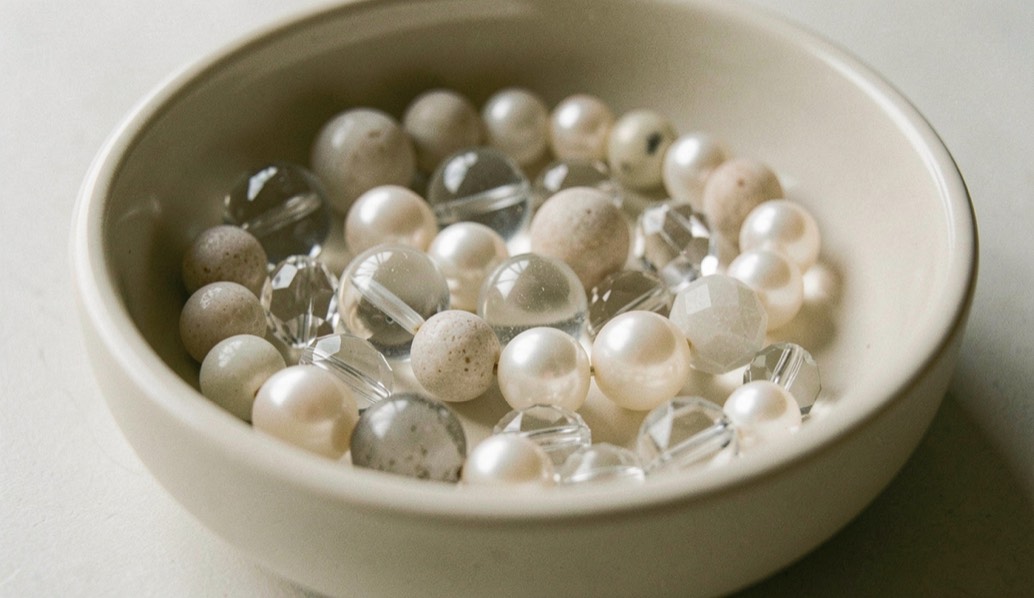
Decision route
Read glass, stone, pearl, crystal, and specialty bead vocabulary.
Explore Materials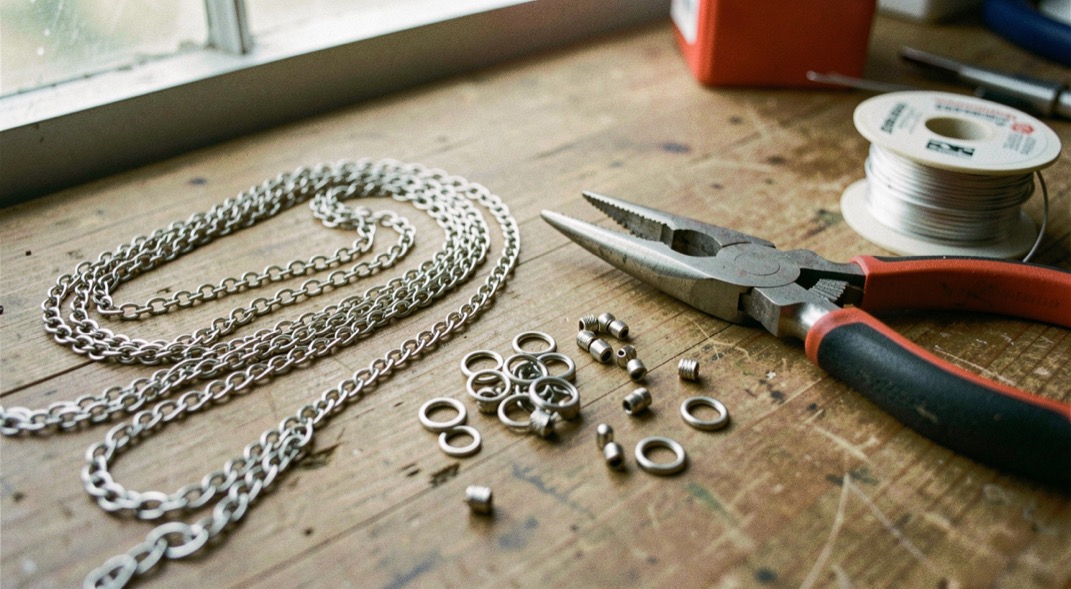
Decision route
Match tools, chain, findings, kits, and project sequence to the work.
Explore Make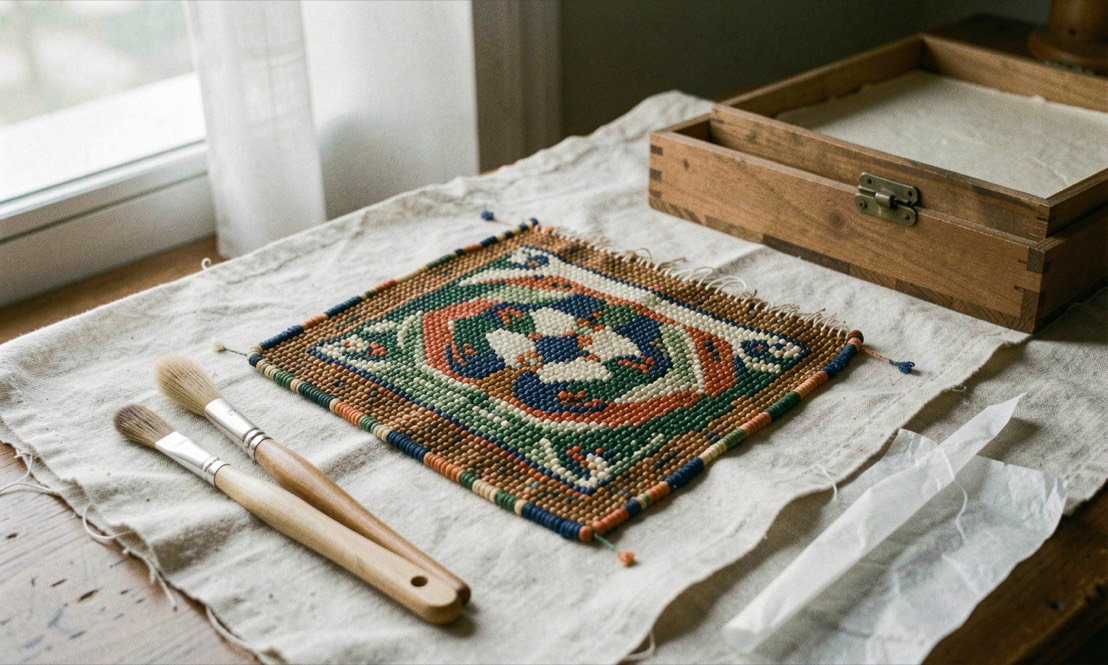
Decision route
Plan for finish exposure, lot variation, storage, and gentle handling.
Explore Care & Keep
Decision route
Follow sources, method, contact, and dated notes behind the guides.
Explore The BenchSignature resource
The Bead Spec Ledger separates manufacturer lanes, approximate values, document dates, and project consequences.
Bench Notes
A practical guide to pre-owned Swiss watches: how stock moves, how to check a reference, serial and service record, and what each brand means on the used
A practical guide to pre-owned Swiss watches: how the market works, how to check a reference, movement and serial, and how to store a mechanical watch.
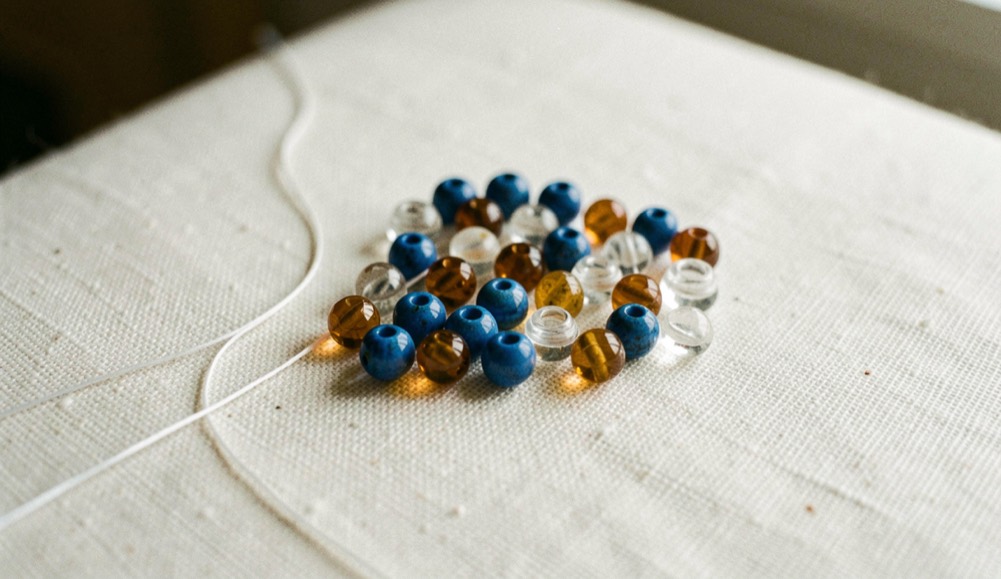
Start with the exact record, then re-read the listing, check the return window before the substitute, and record what the listing failed to declare.

Start with the exact record, then choose the fixing by fabric and weight, place the piece before the day, and test the fixing before it is worn.

Start with the exact record, then declare the bead, the count per section, the order and the limits on one dated card kept with the sample.
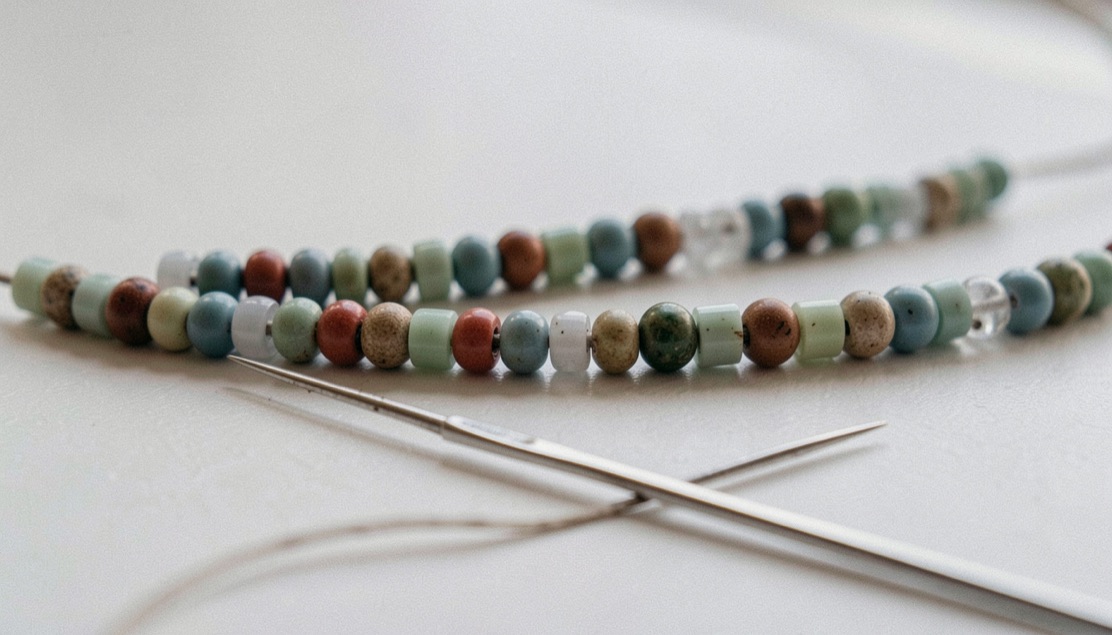
Start with the exact record, then name the counts, write the cue sheet, and practise the sequence slowly before working it in a full repeat.
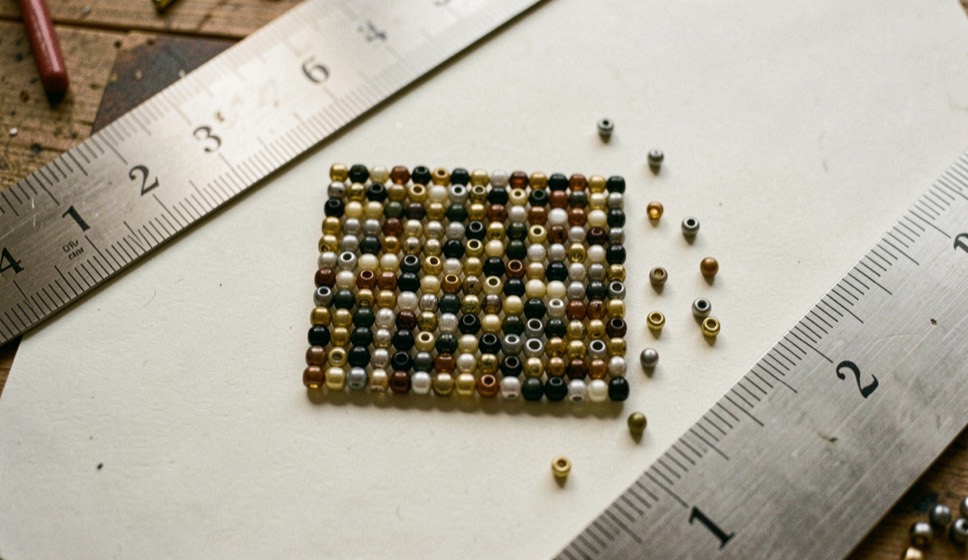
Start with the exact record, then sort a counting string by position and colour, then keep the count where a knock cannot move it.

Start with the exact record, then write the count and the round before the session, put both on one sheet, and test the format on one short strand.
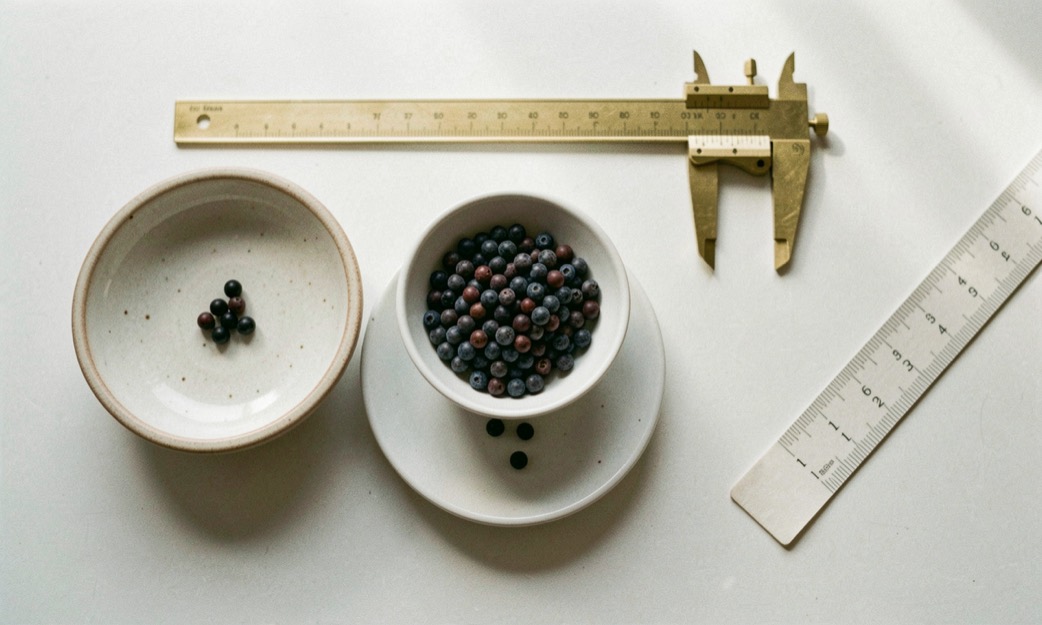
Start with the exact record, then check the strand in hand, ask the seller the short questions, and write down what a cash purchase leaves unknown.
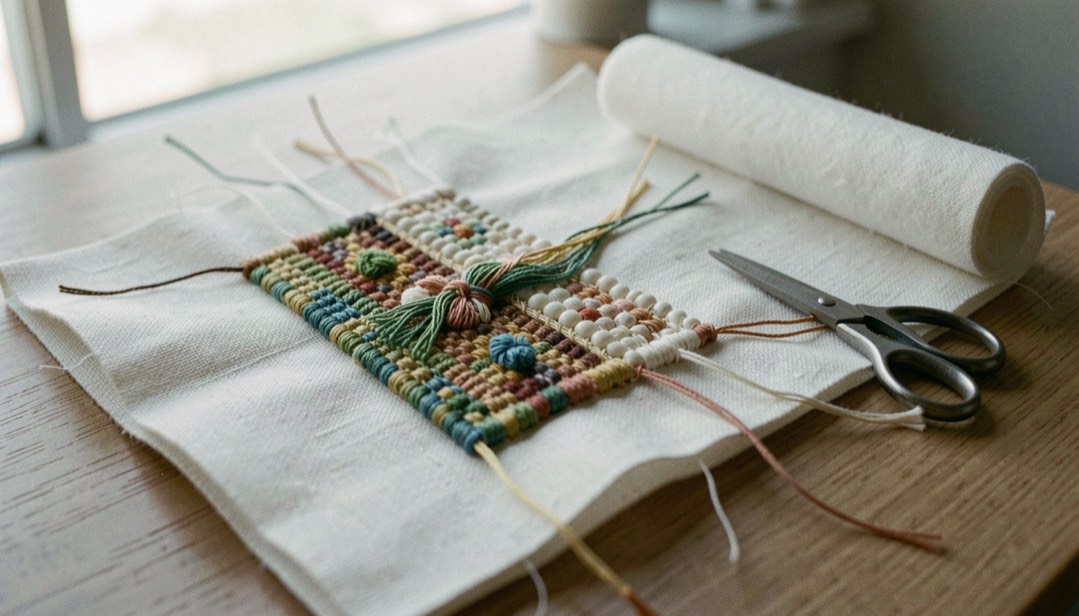
Start with the exact record, then keep raw notes and a quick sketch of the strand, then let the next trial answer what the sheet left open.
How the desk works
Read the research method, browse the source shelf, or learn what the editorial desk keeps in view. Follow the beadwork reference topic for the full path.
Kept in reach
Reviewed whenever a manufacturer record or care guideline changes, these four hold their place between projects.
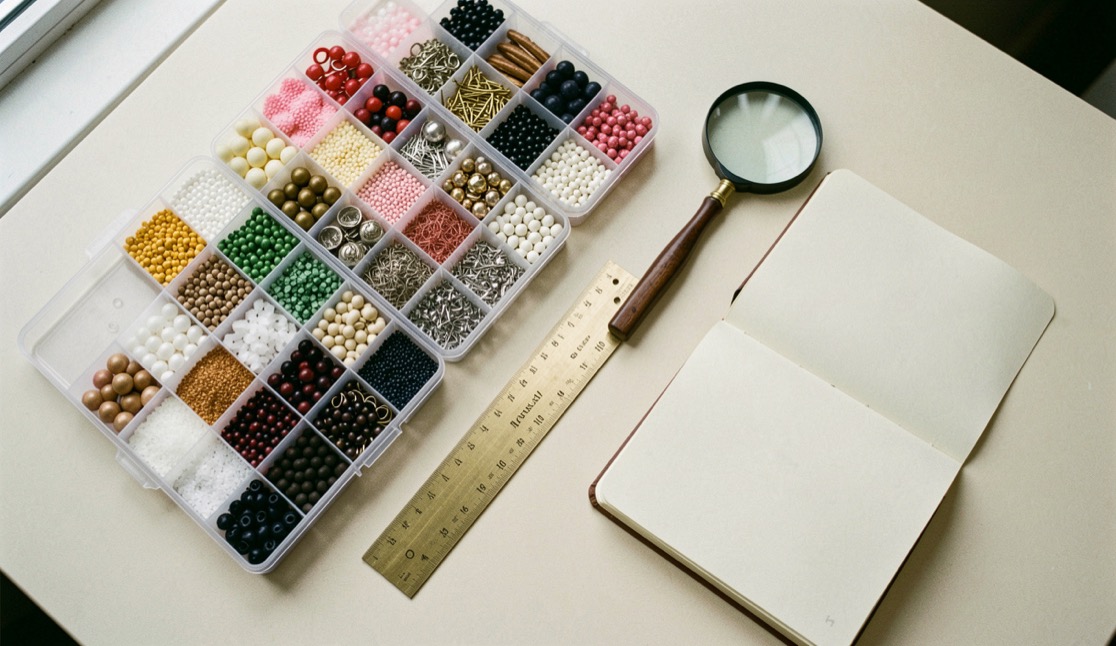
Every size row keeps its maker, unit, and document date, so a nominal label never turns into a false conversion.
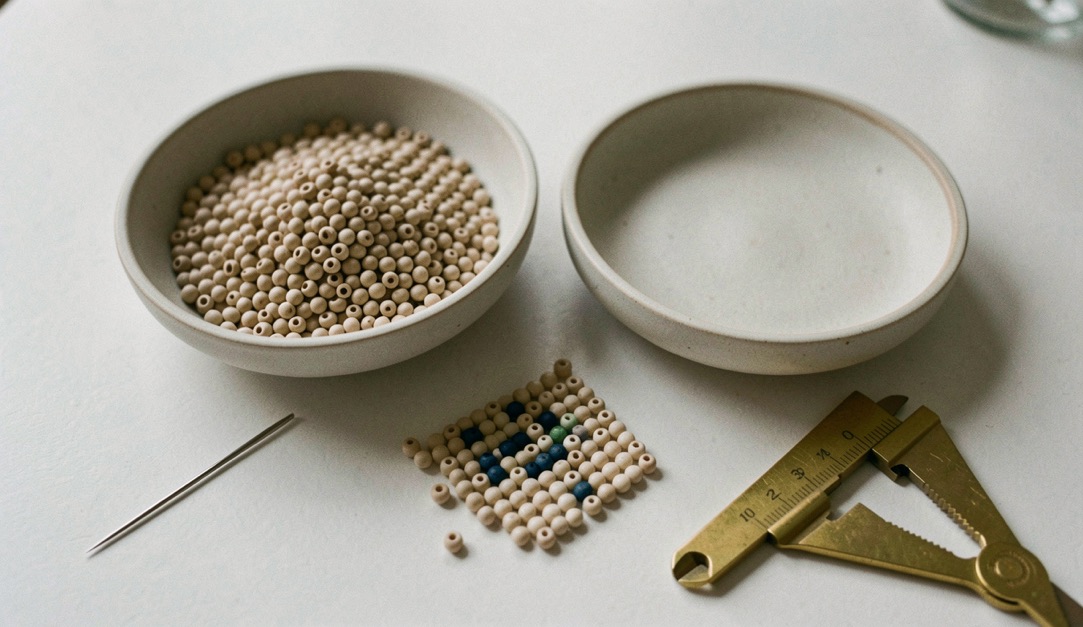
Two manufacturer lanes and one fair test: same stitch, thread, and tension before any swap is called equal.

From pressed to fire-polished, each glass family is sorted by how it sits in a weave and carries thread.
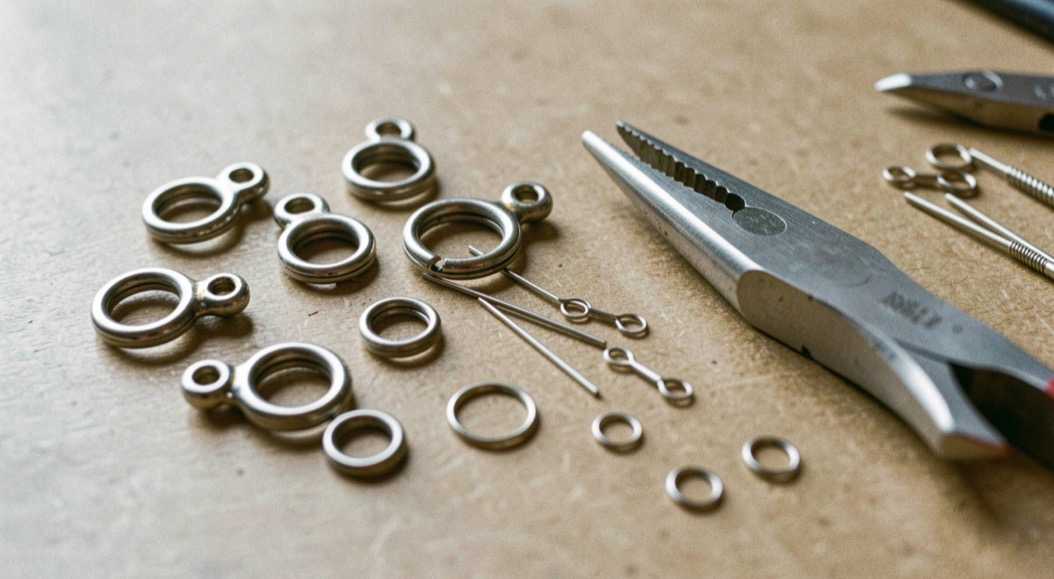
The junction decides the piece: crimp, ring, and clasp matched to hole, wire, and finishing method.
Off the bench
The habit of checking a source before trusting it travels well, and these four pages practice it elsewhere.
For beadwork that borrows from the decade of bright plastic and synth soundtracks, the French 1980s magazine documents the objects, adverts and everyday habits behind those colours, with dated references a collector can actually check.
For readers planning a trip to Jalisco, this Spanish-language magazine covers art and design in Guadalajara, from street murals and gallery shows to independent cinema and design studios.
Work that carries a record also carries a revision habit, and the same test applies to any project with a written plan: the Carolina children's book magazine follows craft and revision, dummy books, query letters, critique groups, and the volunteer chapter that serves writers in both states.
Metal sits one bench over from glass, and the habit of reading a material record before trusting a tool carries across: the Hudson valley forge journal works through hot-iron technique, anvil and fire choices, and the ironwork still standing in Albany and Troy.